Buyer's guide
Blue Sapphire: A Buyer's Guide
June 2, 2026
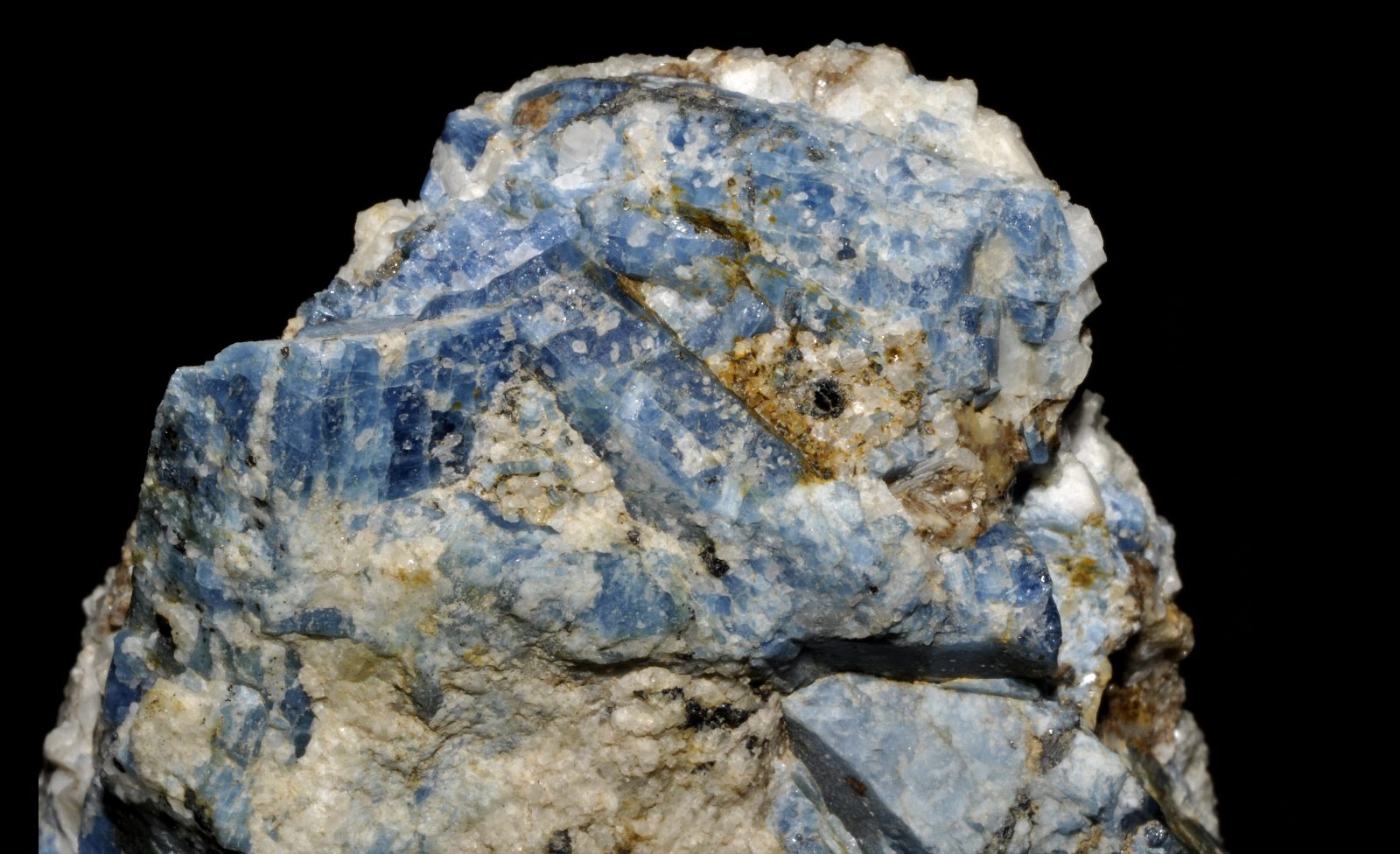
Blue sapphire is the blue variety of corundum, the same mineral as ruby, and the most popular coloured stone in the world. At 9 on the Mohs scale with excellent toughness it is superbly durable, which makes it a sensible choice for everyday rings, including engagement rings. Of the big three (ruby, sapphire, emerald) it is usually the most affordable, though fine stones have been climbing for years on strong demand. Its blue comes from a charge transfer between traces of iron and titanium. A few parts per million are enough, and the more iron the stone carries, the darker the blue runs.
How is sapphire colour judged?
Colour drives sapphire's value, and gemmologists read it in three parts:
- Hue: the dominant blue and any secondary tint. A violetish cast is fine. A greenish one is not.
- Tone: how light or dark the stone is, from light to very dark.
- Saturation: how pure and vivid the blue is, versus greyish.
Fine blue sapphire is violetish blue to pure blue, medium to medium dark in tone, with strong to vivid saturation. Rich blue that does not black out. Commercial grade stones show greenish or greyish colour, obvious colour zoning, or tones that are far too light or too dark.
Note the lighting trap, which runs in reverse from ruby: incandescent shop light makes blue look worse, so daylight or a daylight equivalent lamp is the fair test. A sapphire that reads rich blue in a sunny city can look near black in softer northern light. Check it in the light you will actually live in.
Sapphire is also dichroic: it shows violetish blue in one direction and greenish blue in another. A good cutter orients the stone so the finer violetish blue faces up. This is one reason cut matters more than buyers expect.
What the trade colour names mean
- Cornflower blue: the soft, velvety violetish to pure blue of the finest Kashmir stones. The velvet comes from microscopic silk inclusions that scatter light and erase dark extinction areas. Almost all Kashmir sapphire was mined in a six year window after a landslide exposed the deposit in 1881, at 4,500 metres in the Himalayas. That scarcity is why lab confirmed Kashmir stones carry the largest premiums in sapphire.
- Royal blue: a deep, highly saturated blue, historically associated with Burmese stones. The major labs now judge the term against carefully selected master stones, so on a report it means something specific.
- Ceylon: the brighter, lighter, more brilliant blues of Sri Lanka, which has supplied the world for over two thousand years. Sri Lanka also produces the giants. Most fine sapphires above one hundred carats are Sri Lankan.
The geology behind the names: low iron metamorphic sources (Kashmir, Myanmar, Sri Lanka, much of Madagascar) give brighter, finer blues. High iron basaltic sources (Australia, Thailand, Cambodia, Nigeria) tend dark and inky. In Myanmar, sapphire forms where syenite intrudes into the same Mogok marble country our rubies come from, though blue is a much smaller share of Mogok's yield than red.
Source names overlap and are easily misapplied, so treat them as colour descriptions unless a laboratory report confirms origin.
Where do sapphires come from today?
Madagascar changed the market. The Ilakaka deposit, found in 1998, turned the island into the leading producer of blue sapphire, with top material rivalling fine Sri Lankan stones. The flood of supply pulled commercial prices down and split the market in two: treated commercial goods on one side, and untreated stones, now more sought after than ever, on the other. Nigeria's Mambilla Plateau joined in 2014 with large, clean basaltic stones. Montana's Yogo Gulch is the curiosity of the group: small stones, but a uniform steel blue that needs no heat at all. Thailand and Sri Lanka remain the great cutting, heating and trading hubs that move most of the world's sapphire regardless of where it was mined.
How price is structured
Roughly: colour, then treatment, then clarity, then size, then origin.
- Colour first: pure, vivid, medium toned blue commands the premium.
- Treatment: untreated, then heated, then diffused, then glass filled (see below).
- Clarity: usually better than ruby. Some fine silk is acceptable and, as in Kashmir stones, can create a prized velvety look. Extremely clean stones are rare and priced accordingly.
- Cut: because sapphire rough is fairly available, the trade expects good cutting. Colour zoning and pleochroism mean orientation matters. A well cut stone shows even blue face up with no washed out window.
- Origin: untreated, lab confirmed Kashmir, Burma or Ceylon stones carry large premiums, Kashmir most of all.
Treatments, and what to ask
Heat is near universal, stable and accepted. The trade's open secret is the geuda transformation: milky, greyish Sri Lankan corundum that looks unpromising in the rough turns fine blue when heated to around 1250 degrees in a reducing atmosphere, which dissolves the silk and frees titanium to do its work. Heated geuda supplies a large share of the commercial blue sapphire market. Beyond ordinary heat:
- Titanium lattice diffusion: colour added in a thin surface layer only, half a millimetre at most. Worth far less, and the colour can be lost if the stone is ever repolished.
- Beryllium diffusion: deeper diffusion that lightens dark stones and alters colour.
- Glass filling: fractured corundum flooded with cobalt coloured lead glass. A fragile composite, not a fine gem.
Pricing tiers run unheated (a small slice of the market, big premium), then heated, then diffused, then glass filled. Ask four plain questions: natural or synthetic? heated? diffused or filled? is there a report?
Synthetic sapphire has been mass produced for over a century, and imitations range from glass to synthetic spinel and tanzanite. A reputable laboratory separates all of them from the real thing.
Dos and don'ts
- Do test colour in daylight. Incandescent light hides sapphire's faults.
- Do favour a well cut stone. A window or an off centre colour zone is a cutting fault you will see forever.
- Do get a report for any unheated or origin claim. That is exactly where the premium, and the fakes, live.
- Don't pay a Kashmir or Burma premium without lab confirmed origin.
- Don't assume the word sapphire alone guarantees blue. Corundum comes in nearly every colour, and blue is just the default sense of the word.
- Don't ultrasonically clean diffused or glass filled stones.
Caring for blue sapphire
Hard and tough, sapphire is excellent for daily wear. Untreated and heated stones clean safely in warm soapy water with a soft brush. Keep glass filled or diffused material away from ultrasonic and steam cleaners, strong heat and household acids.